



Business growth depends on making informed financial decisions, and those decisions require reliable financial information. While many business owners focus on sales figures, bank balances, or operational performance, sustainable growth requires a deeper understanding of profitability and financial performance. This is where Income Statements play a critical role.
An Income Statements report provides a structured view of a company’s revenues, expenses, gains, losses, and net profit over a specific period. It helps management, investors, lenders, and other stakeholders understand whether a business is generating sufficient earnings and whether its operations are financially sustainable.
In the UAE’s increasingly regulated and competitive business environment, accurate financial reporting has become more important than ever. Businesses need reliable financial information not only for internal decision-making but also for financing, governance, tax compliance, budgeting, and strategic planning.
This article explains the meaning of Income Statements, their role in financial reporting, their relationship with other financial statements, and why they remain essential tools for business growth and financial management.
Understanding the Meaning of an Income Statement in Accounting
One of the most important financial reports prepared by any business is the Income Statements report. It summarizes a company’s financial performance during a specific reporting period and shows whether the business generated a profit or incurred a loss.
In accounting, Income Statements present revenues earned and expenses incurred over a period. The difference between revenues and expenses results in net profit or net loss. Because profitability is a key measure of business performance, the report is often one of the first documents reviewed by management, investors, lenders, and financial analysts.
The primary purpose of Income Statements is to provide insight into operational performance. While a business may have substantial cash in its bank account, it may still be operating at a loss. Conversely, a profitable business may temporarily experience cash flow challenges. Therefore, profitability and cash availability should not be viewed as the same concept.
Businesses across industries rely on Income Statements to evaluate pricing decisions, cost structures, operational efficiency, and growth opportunities. Accurate reporting allows management to identify trends and make informed strategic decisions.
Modern accounting standards require financial information to be presented fairly and consistently. As a result, properly prepared Income Statements contribute to transparency, accountability, and stakeholder confidence.
In addition, lenders and investors often review Income Statements before providing financing or making investment decisions. Consistent profitability trends can indicate financial stability, while declining margins or increasing costs may highlight areas requiring management attention. For this reason, businesses should treat financial reporting as a strategic management tool rather than simply a compliance requirement.
Understanding the Difference Between Accrual Basis and Cash Basis
One of the most important concepts affecting Income Statements is the accounting basis used to record transactions.
Under the cash basis of accounting, revenues are recognized when cash is received, and expenses are recognized when cash is paid. This approach is relatively simple and may be used by some smaller businesses for internal purposes.
Under the accrual basis of accounting, revenues are recognized when earned and expenses are recognized when incurred, regardless of when cash is received or paid. Most professionally prepared financial statements follow the accrual basis because it provides a more accurate picture of financial performance.
For example, if a company delivers services in December but receives payment in January, accrual accounting records the revenue in December because that is when the economic activity occurred.
This distinction significantly affects Income Statements. Accrual accounting helps businesses match revenues and expenses to the period in which they occur, allowing users of financial statements to assess actual profitability.
The accrual basis generally provides stronger information for decision-making, budgeting, forecasting, and performance evaluation than cash-based reporting.
Understanding the accounting basis behind Income Statements helps users interpret reported results more accurately and avoid misleading conclusions.
How Accrual Accounting Improves Business Decision-Making
Accrual accounting provides management with a more complete picture of business performance because it records economic activity when it occurs rather than when cash changes hands. This allows decision-makers to evaluate profitability based on actual business operations rather than short-term cash movements.
For example, a company may secure several large customer contracts during a reporting period but receive payment months later. Under accrual accounting, the revenue is recognized when earned, allowing management to assess performance more accurately. Likewise, expenses are recorded when incurred, helping businesses understand the true cost of generating revenue.
Because Income Statements prepared under the accrual basis reflect economic reality more effectively, they often provide stronger information for budgeting, forecasting, performance measurement, and strategic planning. Management can identify profitable products, monitor cost trends, evaluate department performance, and make informed investment decisions.
For growing UAE businesses, accrual-based reporting supports better governance and improves communication with investors, lenders, and other stakeholders who rely on accurate financial information.
What Financial Statements Reveal and What They Miss
Financial statements provide valuable information about a company’s performance and financial position. However, they do not tell the entire story of a business.
Properly prepared Income Statements reveal profitability trends, revenue growth, expense patterns, and operating performance. These insights help management identify strengths and weaknesses within the business.
Financial statements can also reveal changes in margins, shifts in operating costs, and the effectiveness of management decisions. Investors and lenders often review these trends when evaluating risk and financial stability.
However, financial reports also have limitations. They may not fully capture employee skills, customer loyalty, brand reputation, management quality, innovation capabilities, or future market opportunities.
Similarly, Income Statements may not reflect emerging risks, competitive pressures, technological changes, or broader economic developments that could affect future performance.
For this reason, financial statement analysis should be combined with operational analysis, market assessments, and strategic planning.
Financial reporting provides an essential foundation for decision-making, but it should be considered alongside other business information.
Why Management Should Not Rely on Financial Statements Alone
Although financial statements provide valuable information, they should not be the only source used for business decision-making. Financial reports primarily focus on historical performance and may not fully reflect future opportunities or emerging risks.
Management should also monitor operational indicators such as customer retention, employee productivity, product quality, inventory turnover, market share, and customer satisfaction. These factors often influence future profitability but may not appear directly within Income Statements or other financial reports.
For example, a business may report strong profits while experiencing declining customer satisfaction. Without reviewing operational data, management could overlook warning signs that may affect future performance.
Similarly, companies investing heavily in innovation, employee development, or technology may incur short-term costs that reduce profitability while creating significant long-term value.
Combining financial analysis with operational and strategic indicators allows businesses to make more balanced decisions and develop sustainable growth strategies.
The Importance of Income Statements in Financial Reporting
Financial reporting serves multiple stakeholders, including management, investors, lenders, regulators, and business partners. Among all financial reports, Income Statements remain one of the most closely reviewed documents.
The report helps users understand whether the business is generating profits from its core activities. It also shows how effectively management controls costs and utilizes available resources.
Accurate Income Statements support budgeting, forecasting, investment analysis, financing discussions, and performance measurement. They provide information that can influence strategic decisions regarding expansion, hiring, pricing, and operational improvements.
For lenders, profitability trends may affect lending decisions and credit evaluations. Investors often use Income Statements to assess growth potential, earnings quality, and financial stability.
Financial reporting also contributes to governance and accountability. Reliable reporting enables stakeholders to evaluate management performance using objective financial information.
As businesses grow, consistent reporting becomes increasingly important. Companies that maintain high-quality Income Statements often find it easier to communicate financial performance to external stakeholders.
How Income Statements Support Strategic Planning
Strategic planning depends heavily on understanding historical financial performance. One of the reasons Income Statements are widely used by management is their ability to highlight trends that influence future planning decisions.
By reviewing revenue growth patterns, expense behavior, profitability levels, and margin trends, management can identify areas that require improvement or additional investment. This information helps businesses establish realistic budgets, evaluate expansion opportunities, and allocate resources more effectively.
For example, a company considering expansion into a new market may review several years of Income Statements to determine whether current operations generate sufficient profitability to support growth. Similarly, businesses evaluating new products or services often rely on financial performance data to assess potential returns.
Strategic planning also requires understanding cost structures. If expenses are increasing faster than revenues, management may need to review pricing policies, supplier arrangements, operational efficiency, or resource allocation.
Because strategic decisions often involve long-term commitments, reliable financial reporting remains an essential component of business planning and risk management.
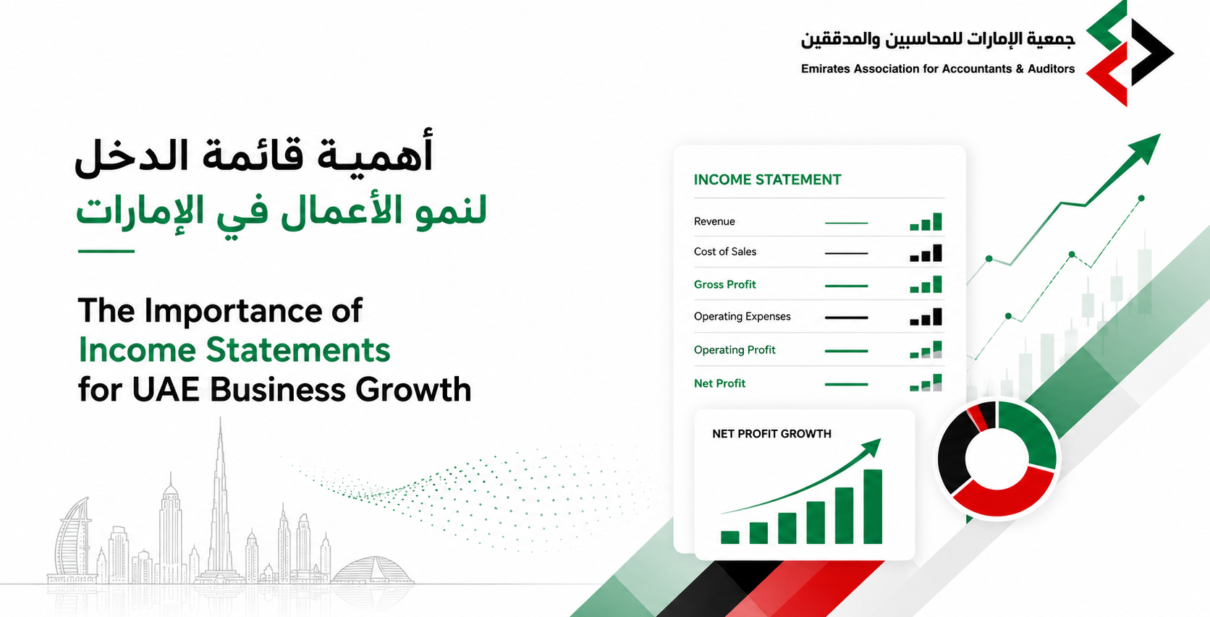
Essential Elements of an Income Statement Layout
Although formats may vary among businesses, most Income Statements contain several core elements.
Revenue
Revenue represents income generated from the company’s primary activities. This may include product sales, service fees, subscription income, or other operating revenues.
Cost of Sales
Cost of sales includes direct costs associated with generating revenue, such as inventory costs, production expenses, or direct labor costs.
Gross Profit
Gross profit is calculated by subtracting cost of sales from revenue. It provides insight into the profitability of core business activities.
Operating Expenses
Operating expenses include administrative costs, marketing expenses, rent, salaries, utilities, professional fees, and other costs necessary to operate the business.
Operating Profit
Operating profit reflects profitability before financing costs and certain non-operating items.
Finance Costs and Other Income
These sections may include interest expenses, investment income, foreign exchange gains or losses, and other non-operating financial activities.
Net Profit
Net profit represents the final result after all revenues, expenses, gains, and losses have been recognized.
Understanding these components helps users interpret Income Statements more effectively and identify areas requiring management attention.
Businesses often review their income statements accounts regularly to evaluate profitability drivers and monitor financial performance.
Common Income Statement Mistakes Businesses Should Avoid
Even well-established businesses can encounter reporting issues that affect the accuracy of Income Statements. Understanding common mistakes helps finance teams improve reporting quality and reduce financial risks.
One frequent issue involves incorrect revenue recognition. Recording revenue too early or too late can distort financial performance and create misleading results. This may affect management decisions, lender assessments, and investor confidence.
Another common problem is improper classification of expenses. Operating expenses, finance costs, and non-operating items should be reported consistently to support meaningful analysis and comparison across reporting periods.
Businesses may also overlook accruals and adjustments at the end of a reporting period. Missing expenses or unrecorded liabilities can result in overstated profits and incomplete financial information.
Inconsistent reporting periods can create additional challenges. Comparing financial results across periods becomes difficult when accounting policies or reporting methods change without proper explanation.
Some organizations also fail to review unusual transactions before preparing Income Statements, leading to misclassification or incomplete disclosure. Regular review procedures, strong internal controls, and ongoing professional development help organizations maintain accurate and reliable financial reporting.
Understanding the Difference Between Income Statement, Balance Sheet, and Cash Flow
Financial reporting relies on several interconnected reports, each serving a different purpose.
The Income Statements report focuses on financial performance during a reporting period. It measures revenues, expenses, and profitability.
The balance sheet focuses on financial position at a specific date. It reports assets, liabilities, and equity.
The cash flow statement focuses on actual cash movements during a period. It explains how cash was generated and used through operating, investing, and financing activities.
Many business owners mistakenly assume these reports provide the same information. In reality, each report answers different questions.
Income Statements answer:
- Did the company generate profit?
- How much revenue was earned?
- What expenses were incurred?
Balance sheets answer:
- What assets does the company own?
- What liabilities does it owe?
- What is the company’s net worth?
Cash flow statements answer:
- How much cash entered the business?
- How much cash left the business?
- Is the company generating sufficient cash to sustain operations?
Understanding how income statements and balance sheets interact helps management develop a more complete understanding of business performance and financial health.
It is also important to understand that a profitable company is not always a cash-rich company. A business may report strong profits in its Income Statements while experiencing cash flow challenges due to slow customer collections or significant investments in inventory and operations. This is why management should review all financial statements together rather than relying on a single report.
How Emirates Association for Accountants and Auditors Helps Finance Teams Maintain Clean Statements
Strong financial reporting depends on professional competence, ethical conduct, continuous learning, and adherence to recognized standards.
The Emirates Association for Accountants and Auditors (EAAA) supports the accounting and auditing profession in the UAE by promoting professional development, technical knowledge, and high-quality financial reporting practices.
Through professional programs, educational initiatives, seminars, conferences, and technical activities, the Association contributes to strengthening accounting capabilities and supporting financial reporting quality across various sectors.
Finance teams benefit from staying informed about accounting developments, reporting practices, professional standards, and emerging financial issues affecting businesses.
Organizations that invest in professional development are often better positioned to prepare reliable Income Statements, strengthen governance practices, and support long-term business growth.
The Growing Importance of Financial Reporting Skills in the UAE
As the UAE business environment continues to evolve, demand for high-quality financial reporting skills continues to grow. Businesses increasingly require finance professionals who can prepare, analyze, and interpret financial information accurately.
Regulatory developments, corporate governance expectations, international business activity, and growing investor interest have increased the importance of reliable reporting. Organizations need professionals who understand accounting standards, financial analysis techniques, and reporting requirements.
This trend has increased the value of continuous professional development for accountants, auditors, finance managers, and business leaders. Strong reporting skills contribute to better decision-making, improved transparency, and greater stakeholder confidence.
The ability to prepare and analyze Income Statements effectively is becoming a core competency for finance teams operating in competitive markets. Organizations that invest in financial reporting capabilities are often better positioned to support growth, manage risk, and maintain strong governance practices.
In addition, finance teams today are expected to provide more than historical reporting. They are increasingly involved in forecasting, performance management, risk assessment, and strategic decision-making. Developing these skills helps organizations use financial information more effectively and respond to changing market conditions.
Final Thoughts
Reliable financial information remains one of the most valuable resources available to business leaders. While many indicators contribute to business success, profitability continues to be one of the most important measures of long-term sustainability.
Well-prepared Income Statements provide insight into operational performance, cost management, revenue generation, and overall profitability. They support strategic planning, investment decisions, financial reporting, and stakeholder communication.
Businesses should not view Income Statements merely as compliance documents. Instead, they should use them as management tools that support informed decision-making and continuous improvement.
When combined with balance sheets, cash flow statements, and broader business analysis, Income Statements help organizations understand where they stand today and where future opportunities may exist.
Ultimately, companies that regularly analyze Income Statements are often better equipped to identify growth opportunities, respond to operational challenges, improve financial performance, and maintain long-term sustainability in an increasingly competitive business environment.
FAQs
What Is an Income Statement and Why UAE Businesses Use It?
An income statement is a financial report that summarizes revenues, expenses, gains, losses, and net profit over a specific period. UAE businesses use it to evaluate profitability, monitor performance, support decision-making, and communicate financial results to stakeholders.
What Makes Up an Income Statement?
A typical income statement includes revenue, cost of sales, gross profit, operating expenses, operating profit, finance costs, other income, and net profit.
How Income Statements and Balance Sheets Work Differently
Income Statements measure financial performance over a period, while balance sheets present the company’s financial position at a specific date. Together, they provide a more complete understanding of business performance and financial health.
Why Income Statements Do Not Fully Show Cash Flow
Income Statements are usually prepared using accrual accounting, which recognizes revenues and expenses when earned or incurred rather than when cash is received or paid. As a result, profitability and cash flow may differ significantly during a reporting period. A company may report strong profits while still facing short-term cash flow challenges due to customer payment delays, inventory investments, or financing obligations.