



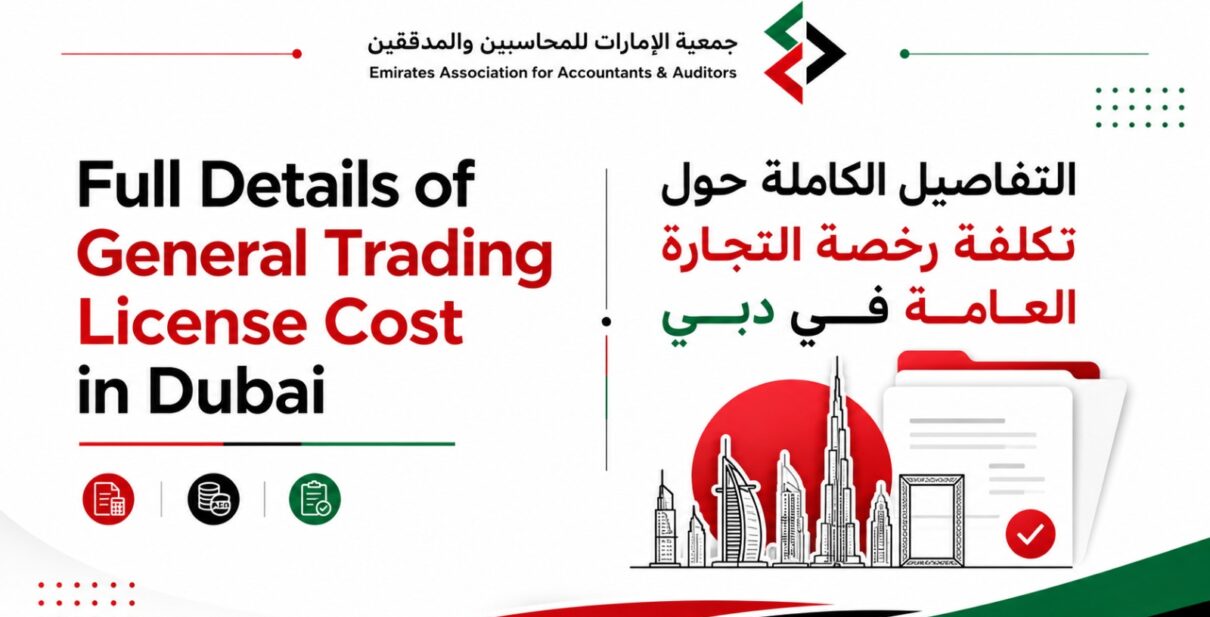
Dubai remains one of the most attractive places for entrepreneurs who want to build a trading company with regional and international reach. Its location, ports, logistics infrastructure, free zones, and mainland market access make it a strong base for import, export, wholesale, distribution, and e-commerce operations. Yet before starting, investors usually ask one practical question: what is the general trading license cost in Dubai, and what should be included in the budget?
The answer is not one fixed number. The final amount depends on whether you choose a mainland or free zone structure, the number of activities, office or warehouse requirements, visa needs, government approvals, customs registration, and professional support. A low advertised package may cover only the license, while a realistic launch budget may also include establishment card, visa processing, immigration file, office space, accounting support, and renewal planning.
This guide explains the general trading license cost in Dubai in a practical way, including the main license types, estimated cost ranges, mainland versus free zone differences, additional charges, hidden costs, application steps, and budgeting tips for new investors.
Understanding the Various Types of Trade Licenses in Dubai
Dubai business licenses are usually selected based on the activity a company will perform. Official UAE guidance lists several license categories, including commercial, professional, industrial, tourism, agricultural, and occupational licenses. In Dubai, the Invest in Dubai platform also groups mainland options such as commercial, professional, industrial, E-Trader, instant, dual, and SME licenses.
For trading companies, the most relevant category is usually the commercial license. A commercial license allows a company to buy, sell, import, export, distribute, or trade approved goods. A normal trading license may be limited to specific products, such as electronics, food items, garments, building materials, or cosmetics. A general trading license is broader because it allows the company to trade across several product categories, subject to regulatory approvals and restrictions.
This is why the general trading license cost in Dubai is normally higher than a narrow activity license. The broader the business scope, the more important it becomes to confirm whether your intended products require external approvals. Items such as food products, medical products, chemicals, cosmetics, jewelry, tobacco, or regulated industrial goods may need additional permissions from relevant authorities.
Investors should also understand the difference between a physical trading model and an online selling model. An E-Trader license is designed for specific home-based and online business cases, while a general trading license is usually more suitable for a company that wants broader import, export, wholesale, or distribution capacity. For comparison, the e trader license Dubai cost is much lower than a full general trading setup, but it does not offer the same scale, structure, or trading flexibility. The UAE government portal notes that Dubai’s E-Trader license can be applied for through Invest in Dubai and shows fees of AED 1,070 plus AED 300 for Dubai Chamber membership.
How Much Does a General Trading License Cost in Dubai
The general trading license cost in Dubai can start from around AED 12,500 in some free zone packages and can rise to AED 25,000 or more for mainland setups, depending on office requirements, visa allocations, activity approvals, and the final company structure. Meydan Free Zone, for example, states that its general trading license starts from AED 12,500, while mainland licenses often start from AED 25,000 and above due to added fees and office requirements.
A practical estimate should be divided into three levels. First, there is the basic license fee. This is the amount paid to the licensing authority to issue the commercial or general trading license. Second, there are setup-related fees, such as trade name reservation, initial approval, registration, establishment card, immigration file, and administrative charges. Third, there are operating costs, such as office space, visas, customs registration, accounting, banking, and annual renewal.
For a small investor, the general trading license cost in Dubai may look affordable at first if the package is free zone based and does not include visas. However, if the business needs employee visas, warehouse access, mainland selling, import-export documentation, or a physical office, the budget will increase. The safest approach is to request a written quotation showing exactly what is included and what is excluded.
A realistic first-year budget may include the license, registration, office or flexi-desk, visa eligibility, Emirates ID and medical test costs for visa holders, customs code if importing goods, and professional service fees. Renewal should also be considered from day one because the business will need to maintain the license every year.
Free Zone vs Mainland General Trading License Cost in Dubai Guide
The general trading license cost in Dubai differs significantly between mainland and free zone setups because each structure serves a different business model. Dubai Department of Economy and Tourism manages mainland company registration and licensing, while free zones operate under their own authorities. Mainland companies can generally operate within and outside the UAE, while free zone companies are often selected for ownership flexibility, simplified packages, and international trading models.
A mainland general trading company is usually preferred when the business wants direct access to the local UAE market, wants to sell to mainland clients without restrictions, or needs a physical presence that supports wider commercial operations. The cost can be higher because mainland companies typically require office space, may have market fees, and may involve more government and municipality-related charges.
A free zone general trading company is often preferred when the business is focused on import-export, re-export, online trade, international clients, or a lean startup model. Free zone packages may start lower, especially when they include flexi-desk options and no visa allocation. The official Invest in Dubai free zone cost page also confirms that free zone setup costs vary according to the free zone, license type, business activity, and office space.
There is no single “best” option. The right decision depends on where you will sell, how many visas you need, whether you need a warehouse, how you will import goods, and whether your customers are inside or outside the UAE. If your business needs to sell directly across the UAE mainland, a mainland structure may be stronger. If your model is regional trade, re-export, or digital-first distribution, a free zone may be more cost-efficient.
What Additional Costs Come with a Trade License in Dubai
When calculating the general trading license cost in Dubai, investors should not stop at the license fee. A trading company often requires several additional costs before it can operate smoothly. These may include trade name reservation, initial approval, license issuance, registration documents, memorandum of association, lease or flexi-desk agreement, establishment card, visa quota, immigration file, and renewal fees.
Import and export companies may also need a customs client code. Businesses dealing with regulated goods may need approvals from Dubai Municipality, the Ministry of Health and Prevention, the Telecommunications and Digital Government Regulatory Authority, the Ministry of Economy, or other relevant bodies depending on the product category. These approvals may add time and cost.
Office space is another major cost factor. Mainland companies generally need an Ejari-linked office or approved commercial space. Free zone companies may use flexi-desk, shared desk, serviced office, warehouse, or physical office packages depending on the free zone rules and visa requirements. More visas usually require more space or a larger package.
Professional services should also be included. New investors may need help with company formation, accounting setup, VAT assessment, corporate tax registration, bookkeeping, license renewal reminders, and audit readiness. For professional guidance related to accounting and auditing standards in the UAE, business owners can also explore the Emirates Association for Accountants and Auditors as a relevant professional reference.
Understanding Hidden Charges in Trade Licenses
The general trading license cost in Dubai can become confusing when quotations are not transparent. Some packages advertise an attractive starting price but exclude important items. Hidden or overlooked charges may include visa processing, medical test, Emirates ID, establishment card, immigration card, flexi-desk renewal, inspection charges, translation, notarization, external approvals, customs registration, and corporate bank account support.
Another hidden cost is activity mismatch. If your license does not include the correct product categories, you may need to amend the license later. Amendments can add fees and delay operations. This is especially important for businesses that plan to sell multiple unrelated products under one license. Always ask your advisor or licensing authority to confirm the approved activities before payment. Dubai General Trading License Activities should be reviewed carefully because the activity list determines what the company can legally trade.
Banking can also create indirect costs. Some banks require a minimum balance, office proof, invoices, contracts, or detailed business documentation. If the setup is too light and does not match the expected trading volume, bank account opening may take longer. A cheaper license may therefore cost more in time and lose opportunities.
Renewal is another area where businesses face surprises. The first-year package may be discounted, while the second-year renewal may return to the standard rate. Investors should ask for both the first-year cost and the expected renewal cost before choosing a package.
How to Apply for a Trade License in Dubai: Step-by-Step
Applying for a trade license in Dubai usually follows a structured process. The exact steps differ between mainland and free zone authorities, but the core journey is similar.
Step one is choosing the business activity. For a general trading company, the investor must define the categories of goods to be traded and check whether any products are restricted or require external approval.
Step two is choosing the jurisdiction. The investor must decide between mainland and free zone based on market access, cost, visa needs, office requirements, and operational plans.
Step three is selecting the legal structure. Common options include sole establishment, civil company, limited liability company, free zone company, or branch. The structure affects ownership, liability, documentation, and sometimes cost.
Step four is reserving the trade name. The name must follow UAE naming rules and should not violate public order, religious references, or existing trademarks.
Step five is obtaining initial approval. This confirms that the authority has no objection to the proposed business, subject to completing the remaining requirements.
Step six is preparing documents. These may include passport copies, Emirates ID if applicable, visa page, address details, corporate documents for shareholders, lease or flexi-desk agreement, and signed application forms.
Step seven is paying the required fees and receiving the license. Some free zones provide fast digital issuance, while mainland applications may involve more steps depending on the business activity and premises.
Step eight is completing post-license requirements. These may include visa applications, establishment cards, customs code, bank account opening, accounting system setup, VAT review, and corporate tax compliance planning.
Budget Planning for Trade License Costs in Dubai
To plan the general trading license cost in Dubai properly, divide your budget into startup, compliance, and operating categories. Startup costs include the license, registration, trade name, initial approval, legal documents, and office arrangement. Compliance costs include accounting, tax registration if required, bookkeeping, customs registration, external approvals, and renewal planning. Operating costs include staff visas, salaries, insurance, logistics, warehouse, marketing, and technology.
For a lean free zone setup, an investor may begin with a smaller budget if the business does not need many visas or physical warehousing. For a mainland trading company, a higher budget is usually safer because office, local market access, and government-related charges may increase the total. A broad trade license UAE cost search may show very different numbers, but the useful comparison is not the cheapest price; it is the total cost of becoming operational.
A good budget should include a contingency of at least 15% to 25% above the quoted setup price. This protects the business from extra approvals, document changes, visa variations, bank requirements, and renewal differences. It is also wise to compare at least three quotes from official authorities or licensed business setup providers.
Investors should ask five questions before committing. What exactly is included? What is excluded? What will renewal cost? How many visas are included? Can the company legally trade the intended products? These questions help avoid underestimating the general trading license cost in Dubai and reduce the risk of delays after incorporation.
Companies that will hire accountants, auditors, or finance professionals in the UAE may also review professional membership categories through the EAAA membership page to understand how professional bodies support the accounting and auditing community.
FAQ
How much is a general trading license in Dubai?
The general trading license cost in Dubai usually starts from around AED 12,500 in some free zone packages and may reach AED 25,000 or more for mainland setups. The final amount depends on the jurisdiction, activity list, office space, visa allocation, approvals, and whether the package includes registration and administrative fees. Always request a detailed quote before payment.
What can I do with a general trading license in Dubai?
A general trading license allows a company to trade a wide range of approved goods under one license. This may include import, export, wholesale, distribution, re-export, and in some cases online selling, depending on the jurisdiction and approved activities. It does not automatically allow trading in restricted goods, so regulated products may need additional approvals.
What business can I start with 100,000 AED in Dubai?
With AED 100,000, you may be able to start a small trading, e-commerce, import-export, consulting, or distribution business, depending on your operating model. For general trading, this budget may cover licensing, basic office or flexi-desk, initial visa costs, accounting setup, website, branding, and part of your first stock purchase. However, inventory-heavy businesses should allocate a separate working capital budget.
How to start a general trading company in Dubai?
To start a general trading company in Dubai, choose your product categories, decide between mainland and free zone, select the legal structure, reserve a trade name, obtain initial approval, submit documents, pay the required fees, receive the license, and complete post-license steps such as visas, customs registration, bank account opening, and accounting setup. The most important step is confirming that your license activities match the goods you plan to trade.
Conclusion
The general trading license cost in Dubai is best understood as a full business setup budget, not just a license fee. A free zone license may be more affordable for international trade or lean startup models, while a mainland license may be better for businesses that need direct access to the local UAE market. Costs vary because every setup depends on activity scope, visa needs, office space, approvals, and future renewal obligations.
Before choosing the cheapest option, compare the total package, check renewal costs, confirm allowed activities, and plan for compliance from the beginning. A well-planned license protects the business, supports banking, improves credibility, and gives the company room to grow across Dubai, the UAE, and international markets.